Memory Booster Training
This is for you if (Scrolling continuously)
- You are unable to concentrate while learning.
- You are unable to understand properly while learning.
- You are concentrating in start but cannot keep it concentrating long while listening and
- You are unable to understand the topic clearly.
- Your imagination power is not supporting you while listening/thinking.
- You get irritated while learning/memorising/listening.
- You get stressed while learning/listening/sitting long.
- You understand but cannot memorise.
- Your memorised/understood/learnt topic gets faded away soon.
- You memorise but cannot recall properly.
theme
Your memory booster training will boost not only your memorising skills but also the memorising potentiality of your entire brain. You all are having enormous potentiality in your brain but either you do not know how to use them or your functional neurological status is in such a status that it is not giving you space to registration, retention and recall? You all are having certain hurdles which prevent you to learn and memorise in a better way. Memorizing potentiality is the ability of a brain to memorize the facts/data/information/stimuli received/conceived/perceived either by sense organs or by internal stimuli
What do you understand by memory?
Memory is your ability to retrieve/recall back the information/data/stimuli which were already
written / encoded neurologically before, by you while learning. Retrieving back/recalling, the learnt information/data/stimuli needs neurologically retaining ability/storage in your brain which is also a neurological process.
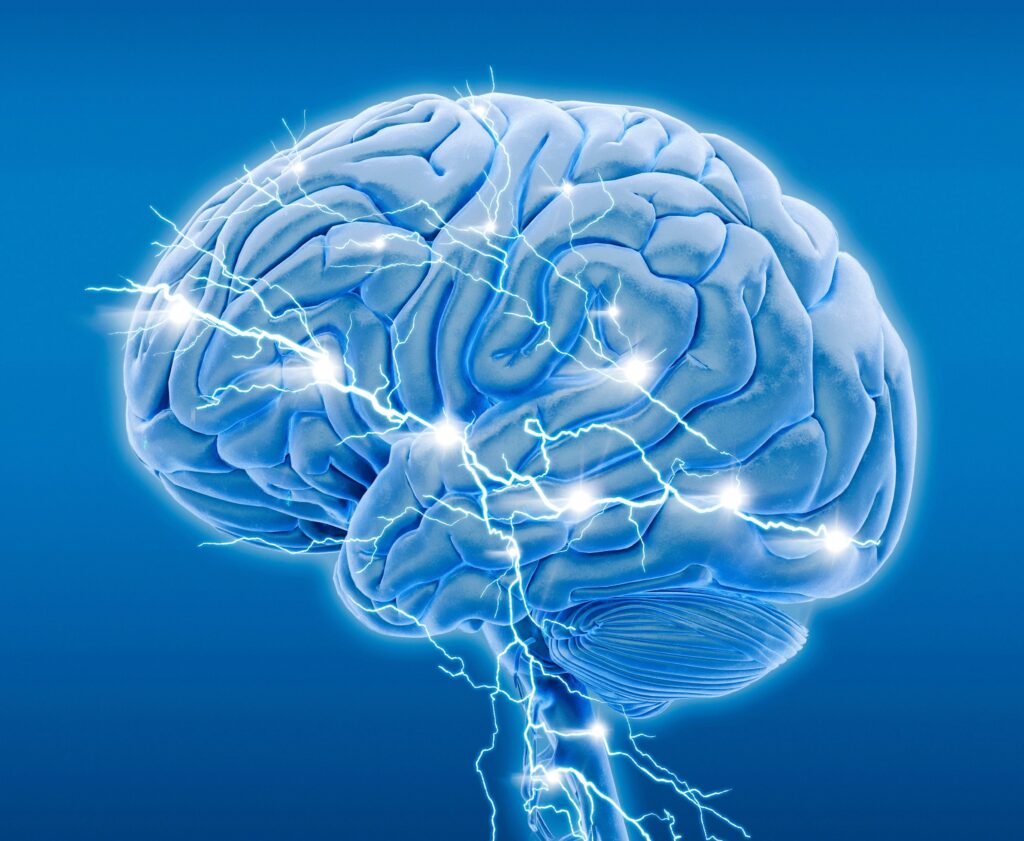
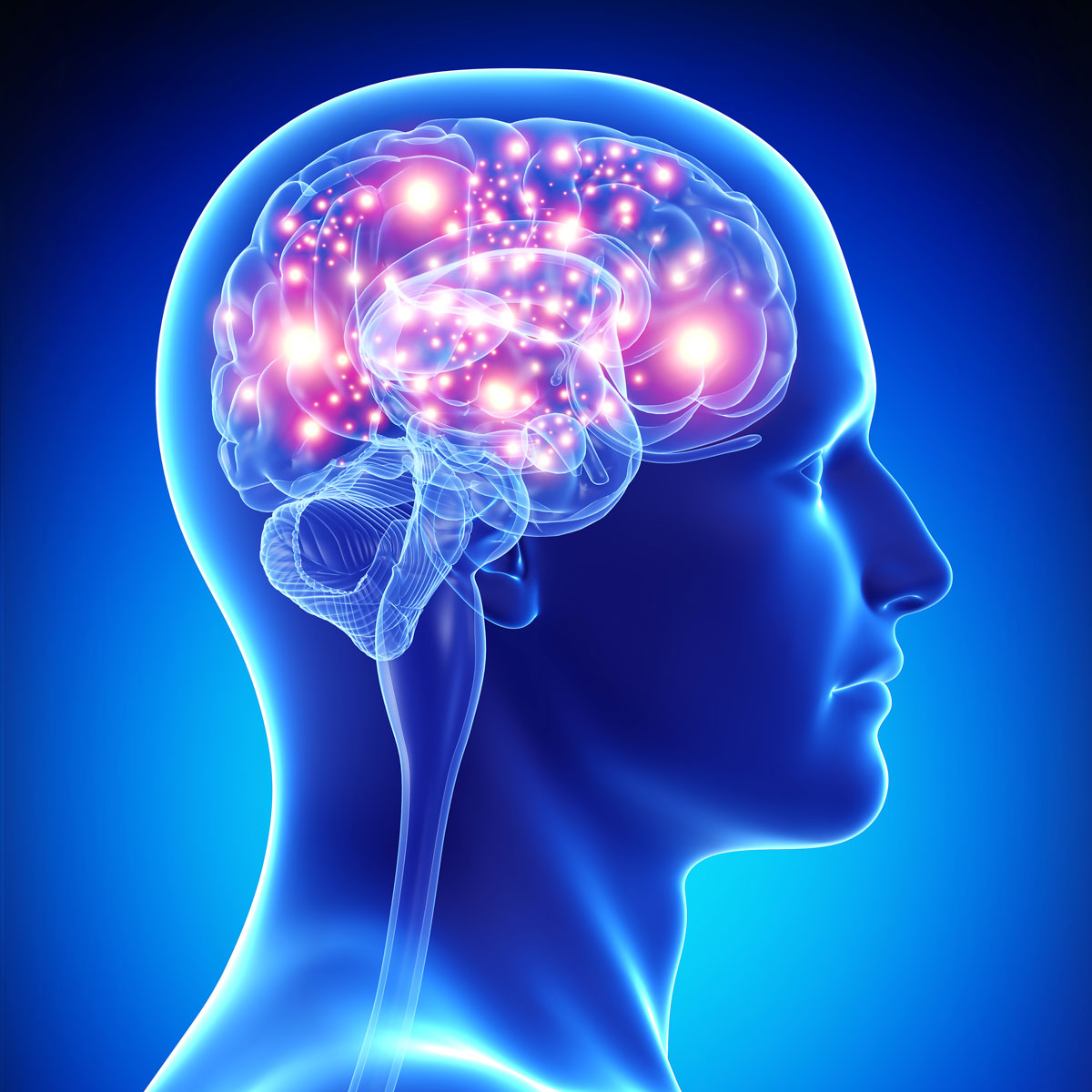
While learning you are neurologically encoding/writing in the brain the information/data/stimuli by making a neurological circuit in which some group of neurons make its circuit depending upon the type of information/data/stimuli and neurological configuration of your brain and the made neurological circuit is chemico-electrically altered in the brain in such a way that during the time of retrieval /recalling it is fired again and provide us the recalling ability.
Frequently used circuits (information) have better and clear recall, and the information which is encoded/written/marked strongly can also be recalled in a better way.
In this way it can be said that memory has three neurological functional ingredient, namely
1. Learning—Registration/Encoding
2. Storage —-Retention/Storage
3. Retrieval –Recall

What do you understand by Neurological Manifestation of Memory and how it is formed inside the brain?
When you learn new information either by sense organs or by internal stimuli of your brain, the neurons associated with that item are excited. They grow projecting tantacle like structure called dendrites. Dendrites are used to receive information. If a dendrite gets near axon of another neuron there can be a connection (they don’t actually touch but it becomes close) and information passes from one neurons axon to dendrite of other neuron. This connection allows them to share information.
So more you think about something, the more repeated connection can be formed – those connections allow easier and faster access to the information and can create different piece of information enhancing understanding.
Information once encoded neurologically is easy to access when there are many strong pathways to that information. It means we need to think about something often enough to build strong dendritic pathways and we need to connect that particular information to other information in your brain so that it make not only neurological registration/encoding/writing very strong but also it makes retention for that particular information very strong and making a very strong memory.
If you think about something often enough its recall can become automatic. For example we don’t have to put enough conscious effort into recalling the name of loved ones since we have built strong pathways and we use the information often enough that those pathways are well maintained. But when you don’t use information and you don’t have well defined pathways to that information, those changes in dendritic memory about that particular information decay. It means the changes
Classification of Memory
As per our research and findings so far memories can be classified in these catogries
1. Natural memories
2. Organic memories/ genetic memories
3. Acquired memories
a. Conceived memories
b. Perceived memories
c. Accidental memories
sensory memories
Sensory memories are present in your brain for less than a second after the stimulus has gone. It means the information has not been registered in the brain.
Your sensory receptors have the ability to hold an enormous amount of information but everything held by the receptors only lasts for a fraction of second
short term memory
Short term memory is the ability of your brain to hold a small amount of information for a few seconds. It is estimated that we can hold short term memories up to 20 seconds. George miller in 1960 came up with a theory that the human brain was capable of holding 7+/_2 pieces of information in its short term memory store. However, more recent studies have shown that the amount of information we can retain depends upon a number of different factors and cannot confined between 5 and
long term memory
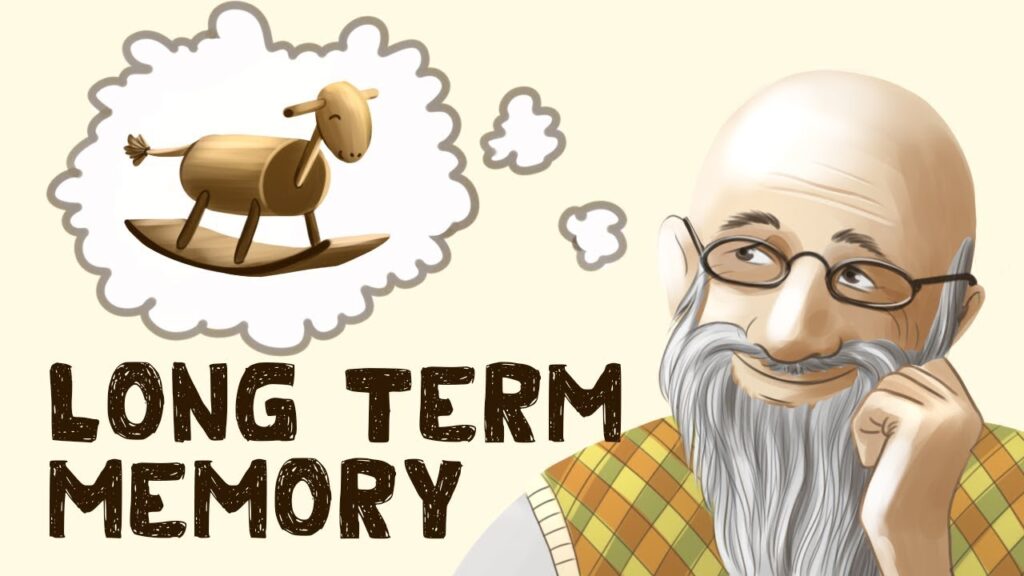
this form of memory has a contrast over previous two since it can hold a seemingly unlimited amount of information for an unlimited length of time. Long term memories could also be a lifelong memory
One thing about the long term memory is the fact we could forget information if it is not
recalled at regular intervals but it is not related to all memories. Some memories can be
retained in the brain for life long if not recalled at regular interval