
(AN INITIATIVE OF MENTAL HEALTH ENHANCEMENT MISSION)
ONLINE SPIRITUAL CLINIC FOR DEPRESSION AND MOOD DISORDERS
(Rewiring/redesigning your brain to uproot Depression, Mood disorders, Dysthymia, Depressive psychosis and Season effective disorder)
WORLD’S MOST EXCLUSIVE TREATMENT CENTRE
Discretely and with the highest standards of privacy,
Your recovery is our mission.
An individualised treatment plan being designed on the basis of your neurological programming and degree of your affliction, along with the state, and severity of the functional neurological abnormalities in your neurological programming, responsible for entire spectrum of your sufferings.
An innovative approach to rejuvenate your brain at even all possible level without any medicine, chemical or molecule.
Everyone occasionally feels blue or sad. But these feelings are short-lived and pass within a couple of days but when you are depressive, it continues and interferes with your physical, emotional and mental wellbeing destroying your daily life and causes pain for both you and those who care about you. Depression is common but very serious condition of brain. Depression is a common mental disorder that presents with depressed mood, loss of interest or pleasure, feeling of guilt or low self-worth, disturbed sleep and appetite, low energy and poor concentration. Depression is the leading cause of disability as measured and the fourth leading contributor to the global burden of disease (DALYs) in 2020. By the year 2021 it is projected to reach second place of the ranking of DALYs calculated for all ages, both sexes. Today depression is already the second cause of DALYs in the age category 15 – 44 years for both sexes combined. Depression occurs in persons of all genders, ages and backgrounds, and common affecting almost 121 million people Worldwide. Depression is among the leading cause of disability worldwide and can be diagnosed easily but the root neurological cause of depression is yet in the research.

- Do you feel sad without any known cause?
- Do you feel empty, internally exhausted and hopeless mostly throughout the day, nearly every day?
- Have you lost your interest or pleasure in your hobbies or being with friends and family without any known considerable cause?
- Are you having trouble sleeping, eating, and functioning?
- Are you feeling that your mood and mentality is causing a problem in dealing with your daily personal and professional liabilities?
- If you have felt this way for at least 2 weeks, you may have depression, a serious functional neurological ailment.
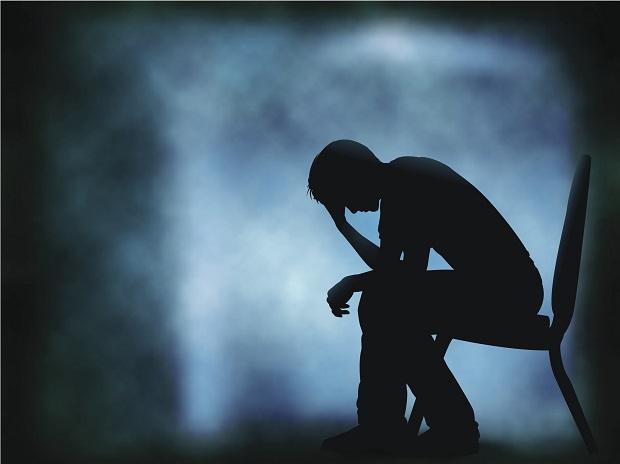
It means
You have received and retained stress from your surroundings beyond the critical limit of bearing the particular stress, knowingly or unknowingly, followed by loss of homeostasis/equilibrium/harmony in the internal atmosphere of your brain, due to which your brain had re-adjusted itself as a forward step towards self-regulation and altered its neuro-sensitivity as a result of different forms of Depression.
- You are suffering from a type of functional neurological abnormality in your brain
- There is nothing much wrong in your brain, to worry about,
- There are certain neurological sensitivity changes which have been developed in your brain.
- Sensitivity changes are not a permanent change in your brain and can be reversed effectively.
- These abnormal neurological sensitivity changes are the result of your neurological wiring/mental software/neurological programming since certain brains are more prone to develop depression in them as they receive and retain stress from the surrounding very quickly.
- Due to alterations in the neuro-sensitivity, your brain have very less amount of neuron for thinking, feeling, behaving, responding, reasoning, memory and allied works followed by narrowing of your thoughts, deterioration in different secretions in the brain and body.
- This temporary abnormality of brain can be rejuvenated easily, effectively and permanently.
What happens in your brain at neurological level, when you become Depressive (Neurological manifestation of Depression)?
- Neuro-sensitivity of brain disturbs in such a way, that it disturbs the natural rhythm of body and brain.
- Abnormal chemical secretion on certain part of your brain disturbs not only your natural thinking, feeling, behaving and responding patterns but also stress reception and retention capability of brain increases in drastic manner as a chain reaction.
- Depression deteriorates the normal sensitivity of Pineal and Pituitary Gland which further deteriorates the functional status of biological clock followed by disturbance in your normal sleeping patterns.
- Deteriorates the inter-neuronal interaction in the brain.
- Deteriorates the functions and secretions of Digestive system which in turn disturbs the eating habit and digestive patterns.
- Disturbs the state, rate and rhythm of cellular metabolism in the body which in turn disturbs the energy level of body and causes state of energylessness, lethargic and lazy.
- Depression deteriorates the level of co-relational status of the resultant wave pattern of body to that of the resultant wave pattern of brain which in turn deteriorates the sexual motives, drives, functions and interest.
- Depression deteriorates the resultant of the co-relation of the wave pattern of left brain to that of right brain which in turn deteriorates the magnetism of personality (facial expression, body language, muscular tone, skin tone, postural status, eye expression and rhythm of locomotion) in the concerned.
- Due to deterioration of the sensitivity of Pineal Gland and Pituitary Gland the sensitivity of Thalamus and Hypo-Thalamus is affected adversely which in turn deteriorates the functions of Neuro-Endocrine system, in the concerned.
- Due to deterioration in the sensitivity of Neurons (awareness and sensitivity towards external stimuli ) there is deterioration in the neurological interactions, different chemical secretions followed by electrical activities and neurotransmitter release level qualitative and quantitative gets adversely affected in the concerned brain suffering from depression.
- Due to disturbance in the normal rhythm of body and brain there is deterioration in the hormonal secretion in the body and brain of the concerned, suffering from depressions.
- Depression deteriorates the normal rhythm of body and brain which in turn deteriorates the secretion of different fluid from all glands present in the body and brain of the concerned.
- Depression alters the mental status negatively which in turn deteriorates the functions of heart and blood circulation system and becomes the cause of different disorders related with heart and blood circulatory system as a psychosomatic effect of depression.
- Depression alters the mental status negatively which in turn deteriorates the functions of respiratory system, and becomes the cause of different types of disorder related to respiratory system as a psychosomatic effect of depression.
- Depression deteriorates the co-relational status of wave pattern of left brain to that of right brain due to which the concerned brain gets lesser number of neuron for his thinking, reasoning, learning and all conscious purposes and concerned person feels the state of hopelessness guilt pessimism and worthlessness.
Due to deterioration in the co-relational status of wave pattern of left brain to that of right brain in depression, lesser number of neurons are available for thinking, learning, reasoning and all conscious purposes, which in turn deteriorates the level of decisiveness, remembering details, level of concentration/focus, and confidence/self-esteem in the concerned brain.
1. Major Depression
Major depression is also known as Major depressive disorder, Classic depression, or Unipolar depression. It’s fairly common — about 16.2 million adults in the U.S. have experienced at least one major depressive episode. People with major depression experience symptoms most of the day, every day. Like many mental health conditions, it has little to do with what’s happening around you. You can have a loving family, tons of friends, and a dream job. You can have the kind of life that others envy and still have depression. It is not you but your mental software/neurological programming in your brain responsible for development of depression in you.
It’s a severe form of depression that causes symptoms such as: despondency, gloom, or grief, difficulty sleeping or sleeping too much, lack of energy and fatigue, loss of appetite or overeating, unexplained aches and pains, loss of interest in formerly pleasurable activities, lack of concentration, memory problems, and inability to make decisions, feelings of worthlessness or hopelessness, constant worry and anxiety, thoughts of death, self-harm, or suicide.
These symptoms can last weeks or even months. Some people might have a single episode of major depression, while others experience it throughout their life. Regardless of how long its symptoms last, major depression can cause problems in your relationships and daily activities.
Comparative study on proneness of Major depression/Major depressive disorder /Classic depression/Unipolar depression
All persons is not affected in the same way and in the same magnitude during major depressive episodes, due to their difference in the neurological programming/mental software/mental wiring, some segment in the population is more prone to develop major depressive episodes within them. It is nothing but the functional abnormalities in neurological programming of the concerned brain created by the brain to fight the stressful or fearful situations beyond the critical limit of that concerned brain. The brain whose critical limit is lower is more prone to develop major depressive episodes within them. The brain which has more fear is more prone to develop major depressive episodes within them. The brain which is wired in way so that it receives and retain stress from the surroundings are more prone to develop depressive episodes within them. An episode can occur anytime in a person’s lifetime, when concerned brain is exposed to a stress beyond the critical limit for that brain and brings the brain away from homeostasis/equilibrium/harmony and ignites a chain reactions as a forward step to fight with that situation since brain is a self-regulatory system and it regulates itself on almost all possible axes within the body and brain of the concerned.
2. Persistent Depressive Disorder (Dysthymia)—
Persistent depressive disorders are the form of depression in which the effected person is having symptoms of depression that last for at least 2 years. A person diagnosed with this form of depression may have episodes of major depression along with periods of less severe symptoms.
This lasts long and need care to check or proper elimination. Some symptoms of persistent depression include: deep sadness or hopelessness, low self-esteem or feelings of inadequacy, lack of interest in things you once enjoyed, appetite changes, changes in sleeping patterns, low energy, concentration and memory problems, difficulty functioning at school or work, inability to feel joy, even at happy occasions and social withdrawal.
Comparative study on proneness of Persistent Depressive Disorder (Dysthymia)
Certain type of brain with specific neurological wiring, are more prone to develop this type of depression within them. Not all persons is affected in the same way during depressive episodes. Some segment in the population is more prone to develop depressive episodes within them. It is nothing but the functional abnormalities in neurological programming of the concerned brain created by the brain to fight the stressful or fearful situations beyond the critical limit of that concerned brain.
The brain whose critical limit is lower is more prone to develop depressive episodes within them. The brain which has more fear is more prone to develop depressive episodes within them. The brain which is wired in way so that it receives and retains stress from the surroundings is more prone to develop depressive episodes within them.
3. Manic Depression, or Bipolar Disorder
Manic depression consists of periods of mania or hypomania, where you feel very happy, alternating with episodes of depression. Manic depression is an outdated name for Bipolar Disorder. In order to be diagnosed with bipolar disorder, you have to experience an episode of mania that lasts for seven days, or less if hospitalization is required. You may experience a depressive episode before or following the manic episode. Depressive episodes have the same symptoms as major depression, including: feelings of sadness or emptiness, lack of energy, fatigue, sleep problems, trouble concentrating, decreased activity, loss of interest in formerly enjoyable activities, suicidal thoughts, Signs of a manic phase include, high energy, reduced sleep, irritability, racing thoughts and speech, grandiose thinking, increased self-esteem and confidence, unusual, risky, and self-destructive behaviour, feeling elated, “high,” or euphoric. In severe cases, episodes can include hallucinations and delusions. Hypomania is a less severe form of mania. You can also have mixed episodes in which you have symptoms of both mania and depression.
4. Depressive Psychosis
Some people with major depression also go through periods of losing touch with reality. This is known as psychosis, which can involve hallucinations and delusions. Experiencing both of these together is known clinically as major depressive disorder with psychotic features. However, some providers still refer to this phenomenon as depressive psychosis or psychotic depression.
Hallucinations are when you see, hear, smell, taste, or feel things that aren’t really there. An example of this would be hearing voices or seeing people who aren’t present. A delusion is a closely held belief that’s clearly false or doesn’t make sense. But to someone experiencing psychosis, all of these things are very real and true.
Depression with psychosis can cause physical symptoms as well, including problems sitting still or slowed physical movements.
5. Perinatal depression/Postpartum Depression
This type of depression is associated with women, expected to deliver the baby (pregnant women). They may experience full-blown major depression during pregnancy or after delivery. This type of depression is the result of stress along with the fear of uncertainty beyond the critical limit for that concerned brain. It automatically disappears as the time elapse or the reason disappears. It may not need treatment. But if the depression is persisting during pregnancy, it affects the mental health of the baby adversely.
Comparative study on proneness of Perinatal Depression/Postpartum Depression
Not all women during pregnancy suffer the same. Certain women with specific neurological programming are more prone to develop postpartum depression/perinatal depression within themselves. The woman, who receives and retains stress from surroundings, is more
prone to develop this type of depression within them. The woman, who is more fearful, sentimental and stressful are more prone to develop this type of depression in them.
The woman, who is more sentimental, is more prone to develop this type of depression. The women, with less confidence or with low self-esteem, is more prone to develop this type of depression within them.
Symptoms of perinatal depression can be as severe as those of major depression and include: Sadness, anxiety, anger or rage, exhaustion, extreme worry about the baby‘s health and safety, difficulty caring for yourself or the new baby, thoughts of self-harm or harming the baby Women who lack support or have had depression before are at increased risk of developing perinatal depression, but it can happen to anyone.
6. Premenstrual Dysphoric Disorder
Premenstrual Dysphoric Disorder (PMDD) is a severe form of premenstrual syndrome (PMS), while PMS symptoms can be both physical and psychological, PMDD symptoms tend to be mostly psychological.
These psychological symptoms are more severe than those associated with PMS. For example, some women might feel more emotional in the days leading up to their period. But someone with PMDD might experience a level of depression and sadness that gets in the way of day-to-day functions. Other possible symptoms of PMDD include: cramps, bloating, and breast tenderness, headaches, joint and muscle pain, sadness and despair, irritability and anger, extreme mood swings, food cravings or binge eating, panic attacks or anxiety, lack of energy, trouble focusing, sleep problems Similarly to perinatal depression, PMDD is believed to be related to hormonal changes. Its symptoms often begin just after ovulation and start to ease up once you get your period. Some women dismiss PMDD as just a bad case of PMS, but PMDD can become very severe and include thoughts of suicide.
7. Season Affective Disorder (SAD)/ Seasonal Depression
Seasonal Affective Disorder is a type mental condition in which affected person’s mental condition changes as per the change in season in that geographical area. Seasonal affective disorder begins and ends about the same time every year in that geographical area.
Its symptoms start at the start of winter and ends at the start of summer gradually. Symptoms are seen like; feeling depressed most of the day, nearly every day, losing interest in activities you once enjoyed, lower energy level and slow motto, disturbed sleeping pattern, disturbed appetite, feeling sluggish agitated or irritated, difficulty in concentrating, feeling hopeless, worthless or guilt, suicidal thoughts, social withdrawal, substance use, violent at some point of time. Symptoms of Seasonal Affective Disorders changes gradually throughout the year
Comparative study on proneness of Season Affective Disorder/Seasonal Depression
Women are more prone to develop seasonal affective disorder than in men. Younger adults are more prone to develop seasonal affective disorder than the aged one. The person with family member or blood relative with seasonal affective disorder is more prone to develop seasonal affective disorder or other form of functional neurological disorder in them. If any other mental conditions exist the concerned is more prone to develop and condition worsens during the episode of seasonal affective disorder. People living far from equator is more prone to develop seasonal affective disorder.
8. Situational Depression/Adjustment Disorder
Situational depression clinically known as adjustment disorder with depressed mood looks like major depression in many respects. But it’s brought on by specific events or situations, such as: the death of a loved one, a serious illness or other life-threatening event, going through divorce or child custody issues, being in emotionally or physically abusive relationships, being unemployed or facing serious financial difficulties, facing extensive legal troubles. Of course, it’s normal to feel sad and anxious during events like these — even to withdraw from others for a bit. But situational depression happens when these feelings start to feel out of proportion with the triggering event and interfere with your daily life.
Situational depression symptoms tend to start within three months of the initial event and can include: frequent crying, sadness and hopelessness, anxiety, appetite changes, difficulty sleeping, aches and pains, lack of energy and fatigue, inability to concentrate, social withdrawal
9. Atypical depression
Atypical depression refers to depression that temporarily goes away in response to positive events. Your doctor might refer to it as major depressive disorder with atypical features. Despite its name, atypical depression isn’t unusual or rare. It also doesn’t mean that it’s more or less serious than other types of depression. Having atypical depression can be particularly challenging because you may not always “seem” depressed to others (or yourself). But it can also happen during an episode of major depression. It can occur with persistent depression as well. Other symptoms of atypical depression can include: increased appetite and weight gain, disordered eating, poor body image, sleeping much more than usual, insomnia, heaviness in your arms or legs that lasts an hour or more a day, feelings of rejection and sensitivity to criticism, assorted aches and pains
Online Spiritual Clinic for Depression and Mood Disorders
Online Spiritual Clinic for Depression and Mood Disorders has been established under Mental Health Enhancement mission’s initiative, in order to foster support, advice, training and remedial natural spiritual treatment option for those suffering from different types and stages of Depression and mood disorders.
Online Spiritual Clinic for Depression and Mood Disorders provides a drugless and specially designed therapy for each individual patient as per their neurological programming, mental health condition, and requirement as per their co-morbidity. Spiritual Neuro-Psycho Treatment Therapy is an Alternative way to heal and rejuvenate all types of functional Neurological ailments with no side effects but a very precise and neuro-indigenous, neuro friendly, immuno-friendly treatment option, where you need not to be hospitalised but it will be provided at your doorstep. Online Spiritual Clinic for Depression and Mood Disorders provides a safe haven for high- profile, high net-worth individuals struggling with mental health afflictions we design individualised set of treatment programmes that can suit and address the individual’s unique set of need as per their neurological programming/mental software and status of functional neurological abnormalities (root cause of their mental afflictions/abnormalities in their neurological programming) responsible for their entire spectrum of sufferings. We diagnose the individual patient through Spiritual Psycho-neuro Analysis, in which individual brain and their unique neurological programming/mental software is analysed by our team to find out the root neurological cause (responsible functional abnormalities in his neurological programming) for his afflictions is being identified and addressed on individual basis, instead of just managing symptoms. We strive to help and restore the inner peace, well being and homeostasis/equilibrium/harmony of the brain at each and every possible axis.
Online Spiritual Clinic for Depression and Mood Disorders provides help to all those who are concerned about their depression and mood disorders. Importantly it runs an integrated program for the persons with these issues and their family.
This online clinic’s activities become significant considering low awareness level about mental health issue. Often the family members and caregivers of the patients suffering from these issues are generally ignored in the developing and under developed countries and consider it as a part of individual’s life.
Our Online OPD
Online OPD service is open for 24*7, with limited no of intake daily on first come first get basis. Interested person can register himself or the caregiver can register for him clearly mentioning his name and relation with the patient.
Only completely filled up form with each and every required data in prescribed format mentioned in the form shall be submitted with all required testimonials can be entertained. No uncomplete and unreliably filled up form will be entertained.
Our concept
We consider the
- Brain as Multipolar multiaxial cellular virtual magnetic system.
- Recognized 432 independent virtual Power points designed naturally on the basis of neurological configuration which works like a magnet and are attached magnetically inside the brain on 9 axes, and forms a brain Multipolar Multiaxial cellular magnetic system.
- Strength, sensitivity, magnetism, and potentiality of each magnet decides the ingredients of the personality
- Resultant of that complex Multi-polar multiaxial cellular virtual magnetic system, which decides the keen area of interest of that particular personality depends on Strength, sensitivity, magnetism, and potentiality of each virtual cellular magnets.
- It is the neuro-sensitivity of a particular brain which decides the functional status of body and brain at micro and macro level.
- Neuro-sensitivity of each brain depends upon state of harmony/homeostasis/equilibrium in the body and brain.
- Any strain in the neuro-sensitivity of a particular brain causes different alteration in different system and in itself.
- Functional disorders are nothing but only functional alterations in the brain of the concerned which in turn alters the neurological programming/ mental software and causes disorder in that particular brain.
Spiritual Psycho-Neuro Analysis
Spiritual Psycho-neuro Analysis is a process of neurological diagnosis, in which your complete brain and neurological software/neurological programming/mental wiring is being mapped and investigated for the root cause responsible for your spectrum of entire sufferings at both mental and physical level.
In psycho-neuro analysis concerned brain is analyzed by our experts on the basics of your data, sufferings, your all neurological data present on your facial expression, muscular tone, eye expression, postural status, skin tone and pronunciation, in order to know the exact neurological root cause in your mental software responsible for reception and retention of stress in your brain which is in turn responsible neurologically in the development of the disorder in you.
Spiritual Neuro-Psycho Treatment Therapy
Spiritual Neuro-psycho Treatment Therapy is the process of healing and fixing up all form of vulnerability for stroke of any mental, psychosomatic, personality, sleep and sexual disorders, in any brain by altering one or more materiality of neuron and bringing the brain towards harmony, so that its programming can be corrected and become unable to receive and retain the undue and un-necessary stress from the surroundings at neurological level without any medicine or chemical.
A most remarkable property of brain discovered by us, through which bringing back the brain from the state of lost homeostasis/harmony to the state of homeostasis/harmony became possible, by signaling through body to brain using existing neuro transmission system of the brain present in body by
- Using certain metals and alloys to keep in contact at certain nodes prescribed by our specialist for certain specified time.
- Massaging certain concerned part present on the body in a way specified by our specialist according to the required task in a specified way.
- Using certain minerals and materials to keep in continuous touch with certain part of body for specified time.
Benefits of Neuro Psycho Treatment Therapy?
- During your Neuro psycho treatment Therapy session cause of hypersensitive or hyposensitive power point(virtual magnet will be fixed through signaling therapy which is the root neurological cause in your brain for your mental disorder/ neurological disorder/ psychosomatic disorder/ neuro degenerative disorder.
- Balancing the factors neurologically responsible to make that certain neurological power point( virtual magnet) in making them hypersensitive or hyposensitive in becoming the cause of your particular disorder in you
- Counterbalancing that concerned power point so that we may offer you a effective and permanent solution in becoming a man free from stroke of any disorder and to bring you towards homeostasis /harmony in the internal atmosphere of body and brain at every possible level and relieving and rejuvenating you
- Rejuvenating basic neurological programming which designs and directs your higher functions of emotions.
- Balancing the factors responsible in deciding the neuro-sensitivity in your brain.
- Redesigning and realignment of the relation of neuro-sensitivity with the conductivity of cerebrospinal fluid.
- Correcting the mechanism involved in the formation of motives and drives inside your brain.
- Redesigning and balancing the factors affecting the motives and drives production in your brain.
- Readjusting the sensitivity of pineal gland in regaining of the mental ability in your brain at preset level.
- Readjusting the sensitivity of pituitary gland and regaining the muscular ability, and mode of metabolism in your body and brain at preset level.
- Readjusting the relation between the functions of circulatory system and your mental status.
- Readjusting the relation between the functions of respiratory system and your mental status.
- Readjusting the relation between the functions of endocrine system and sensitivity of pineal gland in your brain.
- Readjusting the relation between the functions of endocrine system and sensitivity of pituitary gland in your brain.
- Rejuvenating the basic principle involved in mechanism of chemical activity inside your brain.
- Rejuvenating the factors affecting the chemical activity inside your brain.
- Rejuvenating the basic principle involved in mechanism of electrical activity inside your brain.
- Redesigning the factors affecting the electrical activity inside your brain.
- Rejuvenation of the relation between secretion of hormone and keen area of interest of your brain.
- Rejuvenation of the relation between the secretion of digestive fluid and sensitivity of CSF.
Steps of treatment procedure
Following steps are there for treatment option over here
(All communication between the patient and clinic will be in one chat head provided on the screen, no other person can see or go through your communications and treatment plan.)
- Registration (free)
- Selecting a treatment/diagnosis/counselling module
- Diagnosis form
- Payment
- Get counselling
- Get your complete diagnosis (Neurological root cause of your Sufferings)
- Designing your treatment plan
- Implementation of the treatment plan
- Your feedback after 48 hrs from the start of your treatment on each point of your sufferings
- Analysis of your feedback by the board of experts and comment thereunder
- Your feedback after 120 hrs from the start of your treatment on each point of your sufferings
- Analysis of your feedback by the board of expert and necessary comment thereunder
- Your feedback after 7 days from the start of your treatment on each point of your sufferings
- Analysis of your feedback by the board of expert and necessary comment thereunder
- Your feedback after each 7 days from the start of your treatment on each point of your sufferings
- Designing next stage of treatment plan and repeating the feedback at the same interval above mentioned till your complete rejuvenation, as per terms and condition.
(Failing to adhere the required actions from your end may derail your treatment plan and the expected effect of the treatment, and even lead to rejection of your candidature)
Awareness development at our clinic
Raising and creating awareness about depression and mood disorders, learning difficulties, learning disabilities, lack of confidence, lack of concentration, forgetfulness, Dyslexia, dysgraphia, Dyscalculia, Attention deficit disorder (ADD), Hyperactivity, attention deficit hyperactive disorder and all disorder related to memory and learning remains the most important challenge of the clinic. Recognising the importance of creating awareness the activities have always given importance to it, it is done through lectures, you tube videos, symposiums, webinars and blogs.
You are welcome to be a part of it, ask any questions, enquiries and service over here.
Your recovery is our mission